
How to File a Farm Bureau Accident Claim After a Car Crash in Atlanta, Georgia
 Riah Greathouse, Esq. · June 15, 2026
A car accident in Atlanta can leave you dealing with vehicle damage, mounting medical bills, and an insurance process you were not prepared for. If Farm Bureau is involved, whether as your own insurer or the at-fault driver’s, knowing how to file your Farm Bureau accident claim correctly from the start can make a real difference in what you recover.
Because Farm Bureau operates as a deeply rooted, member-based organization across Georgia, claimants often drop their guard, expecting a neighborly, cooperative process. However, Farm Bureau is still an insurance corporation focused on minimizing payouts. What you report, what you say, and how you document the accident can weaponize their adjusters against your claim from day one.
At a Glance
A Farm Bureau accident claim can involve your own policy or the at-fault driver’s insurance
Georgia follows a fault-based system, so liability directly affects compensation
Farm Bureau routinely uses initial reports and recorded statements to actively shift fault onto injured victims
Documentation such as a police report, receipts, and medical bills plays a key role
Accepting an early, lowball settlement check from an adjuster permanently forfeits your right to sue for future medical care
If a claim is delayed, denied, or undervalued, you still have legal options
When Farm Bureau Is Involved in Your Car Accident Claim
After a car accident in Atlanta, Farm Bureau may be part of your claim in one of two ways.
If the Other Driver Has Farm Bureau
You will typically file a third-party claim with their insurance company, provide a detailed report of the accident, and work with a claims representative assigned to investigate the loss. In that scenario, Farm Bureau evaluates who caused the accident, the extent of your injuries, and the cost of repairs to your vehicle. However, be aware that a third-party adjuster owes you zero duty of good faith; their primary directive is to find a reason to deny your claim or devalue your injuries.
If You Have a Farm Bureau Policy
You may file a claim through your own policy for property damage coverage, medical payments coverage if included, or uninsured and underinsured motorist coverage. This applies even if the other driver caused the serious accident but lacks sufficient insurance to cover your losses.
What to Do Before Filing Your Claim
You have already been through the accident. Now the focus shifts to what you do next. Start by organizing everything connected to the event. This gives the filing process a stronger foundation and helps protect your claim.
Request a copy of the police report
Gather photos of vehicle damage, the road, and the scene
Save receipts for repairs, towing, or replacement costs
Track medical bills and treatment related to your injuries
Write down your description of what happened while it is still fresh
Prepare a record of lost wages or income missed due to the accident
Without this documentation, the insurance company may question your losses, dispute what is reasonable, or delay the process entirely.
The Hidden Pitfalls of the Farm Bureau Accident Claim Process
While the steps to report an accident appear administrative, each stage of an insurance company’s internal process is designed to build a defense portfolio against your personal injury claim. The Farm Bureau insurance claims process follows a structured path whether you are dealing with your own policy or another driver’s insurance.
1. Contact Farm Bureau to Report the Accident
You can call their claims service line, submit a claim online, or visit your local county Farm Bureau office. While you must provide basic logistical facts (policy numbers, dates, times, and driver names), you should never speculate on injuries or liability. Farm Bureau representatives are highly trained to interpret casual phrases like “I’m doing okay” or “I didn’t see them coming until the last second” as formal admissions that you were uninjured or partially at fault.
2. The Danger of the “Detailed Report” and Recorded Statements
The insurance company will aggressively request a detailed, recorded description of the accident. Do not agree to a recorded statement without an attorney present. Under Georgia’s injury laws, the claims representative is looking for inconsistencies between your spoken statement, the initial police report, and subsequent medical records to build a narrative of comparative fault.
3. Vehicle Property Damage Inspections
Farm Bureau will assess the cost of vehicle repairs to determine whether those repairs are reasonable or if the vehicle is a total loss. You may need to submit repair estimates from a licensed shop and allow a vehicle inspection before your vehicle repair or total loss claims are finalized.
Be aware that insurers frequently use minimal vehicle property damage as “evidence” that the collision was not violent enough to cause severe bodily injuries, such as whiplash or herniated discs.
4. The Traps of Injury-Related Losses & Early Settlement Offers
If you were injured, your claim may include medical bills, lost income, and pain and suffering. Farm Bureau adjusters routinely extend rapid, lowball settlement offers within days of a crash. They frequently offer to pay your initial emergency room bill along with a small cash buffer.
Accepting this initial check requires signing a liability release. If you sign, your claim is legally dead. If you later discover you require surgery, physical therapy, or permanent restrictions, you cannot seek an additional dime.
Georgia Law and How It Affects Your Claim
Georgia car accident claim laws directly shape how fault is assigned, how damages are calculated, and how long you have to act.
Fault and Compensation
Georgia follows a fault-based system, meaning the driver who caused the accident is responsible for damages. Under O.C.G.A. § 51-12-33, your compensation may be reduced if you were partially at fault.
And if Farm Bureau’s legal teams can successfully shift 50 percent or more of the responsibility onto you, you are barred from recovering any compensation whatsoever under Georgia law. This is exactly why adjusters aggressively fish for damaging statements early in the process.
Time Limits to File a Claim
Under O.C.G.A. § 9-3-33, you generally have two years to file a personal injury claim and four years for property damage claims. Waiting too long can prevent you from recovering anything, so acting sooner protects your options.
What Can Affect Your Claim
Not all claims move without friction. Insurance companies scrutinize several factors before making any offer, including:
Disputes over who caused the accident
Gaps in documentation or missing receipts
Whether repairs are deemed reasonable and necessary
Inconsistencies between reported injuries and medical bills
Low settlement offers that do not account for lost income or future care
Insurers are focused on protecting their own interests. Knowing that going in helps you approach the process with realistic expectations.
Situations That Often Lead to Disputes
Some claims face more resistance than others. This tends to happen in cases involving:
Drunk driving or impaired drivers
Conflicting statements from the drivers involved
Limited physical evidence from the road or scene
Significant injuries or high medical bills
Hit-and-run accidents, disputed traffic signals, or gaps in your immediate medical treatment
In these situations, the insurance company may take a closer look at both liability and damage before moving forward.
Why You Need an Attorney Shielding Your Case Immediately
You should not wait until Farm Bureau delays, denies, or undervalues your claim to seek legal counsel. By the time an insurance company stalls a claim, key evidence from the crash scene may be lost, witness statements may go cold, and you may have already compromised your positioning through direct negotiations.
An Atlanta personal injury attorney acts as a protective shield between you and the corporate adjusters. Your legal team immediately takes over all communications, coordinates with medical specialists to calculate the full cost of your treatment and long-term care needs, and builds a comprehensive trial-ready file that forces insurance companies to take your injuries seriously.
Consider calling an Atlanta car accident lawyer immediately if:
The accident caused severe bodily injury, emergency room transportation, or hospitalization
The insurance adjuster is requesting access to your complete, historical medical records via a blanket release form
The at-fault driver’s insurance company disputes who caused the accident or attempts to assign comparative fault to you
You are missing work, losing income, or facing long-term physical restrictions
Frequently Asked Questions
Q: Should I give a recorded statement to the Farm Bureau adjuster?
A: No. You are not legally required to provide a recorded statement to a third-party insurer to initiate a claim. Speak to an attorney first to ensure your words are not twisted to fit a comparative fault defense.
Q: What should I do if Farm Bureau offers an immediate check to cover my medical bills?
A: Do not sign or deposit the check until you have consulted a lawyer. These early offers are designed to exploit your immediate financial anxiety and force you to sign a global release, permanently closing your case before the full extent of your medical treatment is known.
Q: Can I still recover compensation if I was partially at fault?
A: Yes. Under Georgia law, you can recover compensation as long as you are less than 50 percent at fault. Your recovery will be reduced based on your share of fault.
Q: What if the other driver was uninsured?
A: You may be able to file a claim through your own policy if you have uninsured motorist coverage. This applies even when the other driver caused the serious accident.
Your Next Step After an Atlanta Car Accident
Insurance companies have claims adjusters, accident reconstruction teams, and lawyers calling the shots on your case from the moment the crash is reported. You should have the same level of attention working for you.
At Greathouse Trial Law, LLC, our Atlanta car accident lawyers have gone up against insurers on cases involving each type of collision, from contested rear-end claims to catastrophic head-on crashes. We know how these cases are built, where adjusters look for weaknesses, and what it takes to recover full compensation for serious injuries, lost income, and long-term medical costs.
There is no obligation to call. If you have been hurt in a car accident in Atlanta and are not sure where you stand, that conversation is free. Our Atlanta car accident lawyers handle personal injury cases on a contingency fee basis, so you pay nothing unless we win. Call (678) 310-2827 or complete our confidential online form to schedule your free consultation.
Discover why it’s Greater with Greathouse Trial Law!





Related reading

4 Essential Spring Safety Tips for Families in Atlanta
The weather is warming up, so everybody is spending more time outside. While it’s a great idea to get out and enjoy this spring weather, it’s still important to be safe. Read Greathouse Trial Law’s blog to learn 4 ways you and your family can stay safe in the springtime. Safety in the Outdoors That […]
Read article →
4 Must-Have Apps Every Driver Should Use in Atlanta
We’ve come a long way from the days of physical maps kept in the glove box. Now, many different apps can help you navigate, fuel up, and park. Since smartphones are here to stay, it’s essential to use the apps that will help you the most. Here are the top 5 apps to use while […]
Read article →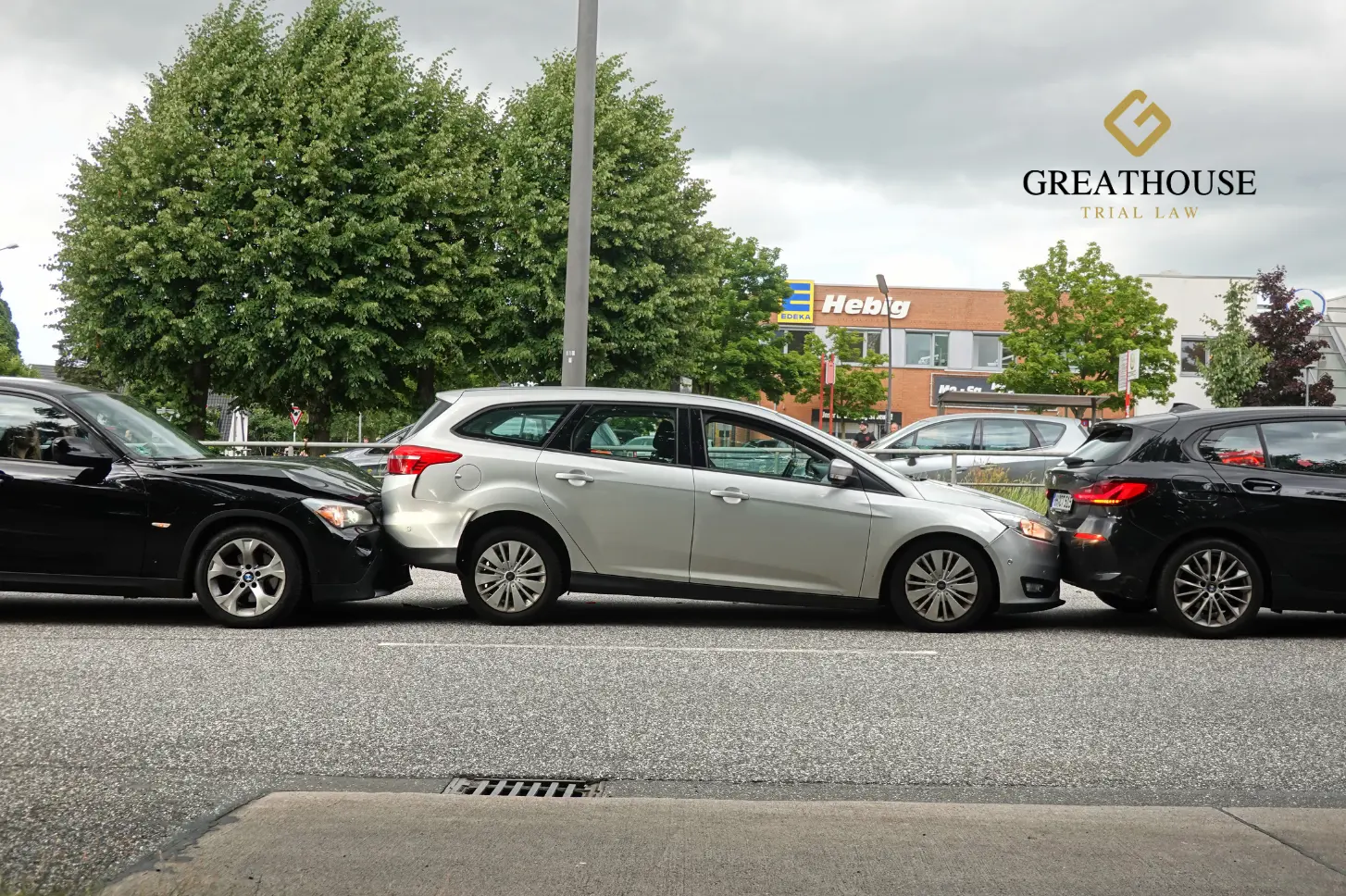
The 7 Common Types of Auto Accidents in Atlanta, Georgia
You don’t search for the types of auto accidents because you’re curious. You search because something just happened, and you’re trying to figure out where you stand. Maybe you were rear-ended in traffic on I-285. Another driver ran a red light and now both insurance companies are asking questions. Or you walked away thinking you […]
Read article →