
Can Allergic Reactions Be Considered Personal Injuries in Georgia?
 Riah Greathouse, Esq. · May 9, 2022
Throughout the spring and summer months, people often experience seasonal allergic reactions. But what about food allergies, or other types of reactions? Can those allergic reactions be considered personal injuries? Read Greathouse Trial Law’s blog to learn more.
What is an Allergic Reaction?
An allergic reaction happens when your body overreacts to a harmless substance, known as an allergen. Your immune system registers the allergen as an unknown material and triggers reactions like swelling, coughing, pain, or anaphylactic shock.
Sometimes allergic reactions resolve themselves, so there is no need to go to the doctor. However, if you start getting hives all over your body, have trouble breathing, or experience anaphylaxis, it’s critical to seek medical attention as soon as possible.
Anaphylaxis is the most severe allergic reaction, with symptoms that include skin reactions, low blood pressure, constriction of the airways, a weak pulse, dizziness, or nausea. If you start to experience any of these symptoms, use an epinephrine injection and head to the emergency room.
What Causes Allergic Reactions?
Allergic reactions can be caused by any substance the body is unfamiliar with. However, most reactions are caused by dust, pollen, food, insect stings, or medication. Many people with allergies try to avoid their triggers, but may unknowingly be exposed.
Allergic Reactions as Personal Injuries
Not all allergic reactions are equal, nor are all allergic reactions considered personal injuries. However, there are times when you can get financial compensation for a reaction. Your allergic reaction could be a personal injury if it was caused by medical malpractice, negligence, or a failure to warn.
Medical Malpractice
Some allergic reactions are caused by ingredients found in certain medications. While you can read the drugs facts on over the counter medicine, it can be difficult to pinpoint the ingredients in prescriptions. Therefore, doctors must check your allergies against the ingredients of medication.
If your doctor prescribes you medicine that you have an allergic reaction to, you may be eligible to file for a medical malpractice lawsuit. To prove malpractice, you must show that the doctor failed to behave with the level of care that a typical doctor would.
If your doctor fails to check that you are allergic to any medications, or fails to take the allergy into consideration when prescribing medicine, you can file for medical malpractice against that healthcare provider.
Negligence
Negligence can be tricky to define in the legal sense, but it typically refers to the duty someone owes to another. In this case, manufacturers and restaurateurs have a duty to alert consumers of any known allergens – especially after the Food Allergen and Consumer Protection Act of 2004.
Let’s use restaurants as an example. You have a duty to alert the chef of your allergies, but if you end up in the hospital because you had an allergic reaction to your food, then you can hold the restaurant liable. They had a duty to serve you food without your allergen, and they neglected to ensure your safety.
Negligence can also come up with manufacturers. Food and cosmetics companies have a duty to warn you of any potential allergens that may be in their products, and if they fail to do so, you may be able to file a personal injury lawsuit against them.
Failure to Warn
Occasionally, failing to warn consumers about potential allergens can lead to personal injury lawsuits. For example, if a product doesn’t contain peanuts but is processed in a factory alongside them, then that would be a failure to warn and could constitute a lawsuit.
Failure to warn can also apply to other allergens as well, including stinging insects. Let’s say that you are a landscaper working on a client’s yard, and they knew that there was a yellow jacket nest. If they didn’t warn you and you had to receive medical care for a sting, you could potentially hold them liable for your injury.
Failure to warn falls under the negligence umbrella, but it’s important to talk about it on its own. You have the right to make your own informed decisions, and when you don’t have all the context, you may end up in more danger.
Speak with an Expert
Allergic reactions are scary and potentially dangerous. After you’ve received the appropriate medical care, it’s critical to speak with an attorney who can help you take your next steps. You may be eligible for financial compensation.
Contact us today at (678) 310-2827 or complete our online form for your free case evaluation. Our personal injury law firm aims to serve the great people of Atlanta and to give a voice to the voiceless.








Related reading

What You Need to Know About the Statute of Limitations for Personal Injury in Georgia
When you or a loved one sustains serious injuries in an accident, the world often feels like it’s moving in slow motion. Between managing medical care and trying to maintain your well-being, the last thing on your mind is a calendar. However, in the legal world, time moves quickly. To protect your rights, you must […]
Read article →
What Happens When You File Lawsuit After Denied Claim in Atlanta?
You’ve taken the crucial step of filing a lawsuit, and now you might be wondering about the next stages. The insurance company’s refusal to settle means the case proceeds to court, where five pivotal steps come into play: Pleadings, Discovery, Pre-trial Proceedings, Trial, and the Appeals Process. Once the lawsuit is filed, we kickstart the […]
Read article →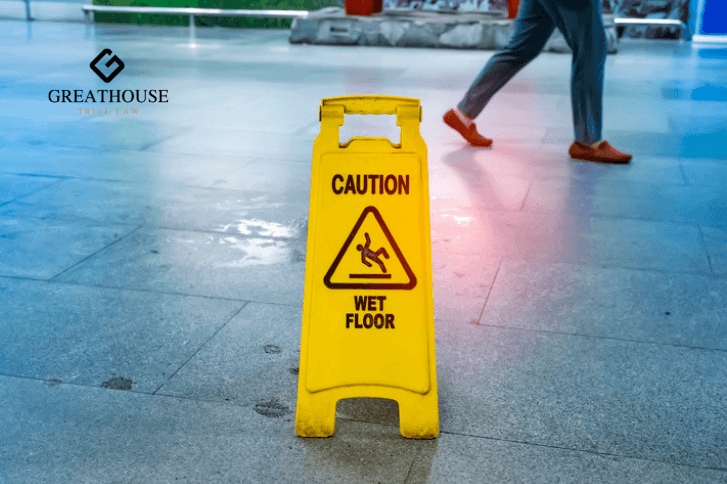
The Four Elements of Negligence in a Personal Injury Case in Atlanta
You’re walking down Peachtree Street on a sunny Atlanta afternoon, maybe heading to Centennial Olympic Park or meeting friends at Ponce City Market. Suddenly, you slip on a wet floor in a store entrance. As you lay on the floor shocked and in pain, you might wonder, “What just happened? Is someone responsible for this?” […]
Read article →