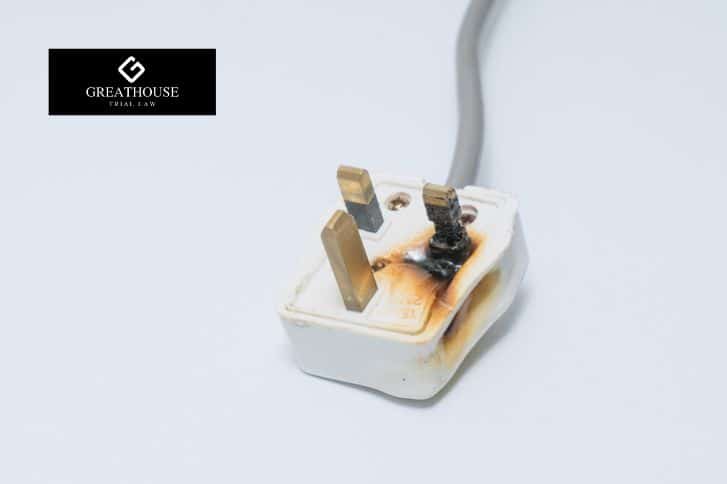

If you have been injured and are wondering if you have a personal injury lawsuit that can be made, you will need to understand what negligence is in the eyes of Georgia law. While the concept may seem obvious at first, it is actually quite nuanced legally speaking. To be successful in a personal injury case, you must be able to show how the other party was negligent, which means that they acted (or failed to act) in such a way that not only caused the personal injury, but that they knew or should have known their actions could cause an injury.
What Isn’t Negligence?
When people think of negligence, they often assume it simply means that something is the fault of another. This is not entirely accurate. Even when something is someone else’s fault, it does not necessarily mean that they acted negligently.
For example, if a shelf in a store breaks causing something to fall on a customer, it may or may not be caused by negligence. If, upon investigation, it is found that the store owner kept their shelving clean and in good order, the shelving was not overloaded, and there was no way that they could have predicted the accident, it would not be an example of negligence. If it was found that the store owner knowingly put 1000 lbs of the product on a shelf only approved for 750lbs, on the other hand, it certainly would be negligent.
This is a clear example, but there are many situations that aren’t quite so simple. This is why it is important to have an attorney review your situation whenever you’ve been injured. An experienced personal injury attorney will be able to let you know whether or not there was negligence in your case, and whether or not you should pursue a lawsuit.
Types of Negligence
There are a variety of types of negligence that Georgia courts may consider. Understanding which one applies in your case can be quite helpful:
Gross Negligence– This is a very severe form of negligence, and is present when it can be shown that the negligence involved showed a complete lack of concern for the safety or wellbeing of others.
Comparative Negligence – This is a very common form, and applies when there may be a fault on both sides of an issue. If you were 25% responsible for a car accident, and the other party was 75% responsible, for example.
Contributory Negligence – If you were entirely responsible for the situation that caused your injuries, it would be contributory negligence.
Vicarious Liability Negligence– If a defendant is being held responsible for the actions of another (such as a child or a pet).
If You’ve been Injured, We can Help
If you’ve been injured in any type of accident, we can help you evaluate the facts of the case and determine whether or not you can go forward with a lawsuit. We provide honest and direct feedback to our clients, and if a lawsuit is appropriate, we’ll represent your interests aggressively. Please contact Greathouse Trial Law to schedule a consultation to go over the facts surrounding your injury.










Related reading

What You Need to Know About the Statute of Limitations for Personal Injury in Georgia
When you or a loved one sustains serious injuries in an accident, the world often feels like it’s moving in slow motion. Between managing medical care and trying to maintain your well-being, the last thing on your mind is a calendar. However, in the legal world, time moves quickly. To protect your rights, you must […]
Read article →
What Happens When You File Lawsuit After Denied Claim in Atlanta?
You’ve taken the crucial step of filing a lawsuit, and now you might be wondering about the next stages. The insurance company’s refusal to settle means the case proceeds to court, where five pivotal steps come into play: Pleadings, Discovery, Pre-trial Proceedings, Trial, and the Appeals Process. Once the lawsuit is filed, we kickstart the […]
Read article →
The Four Elements of Negligence in a Personal Injury Case in Atlanta
You’re walking down Peachtree Street on a sunny Atlanta afternoon, maybe heading to Centennial Olympic Park or meeting friends at Ponce City Market. Suddenly, you slip on a wet floor in a store entrance. As you lay on the floor shocked and in pain, you might wonder, “What just happened? Is someone responsible for this?” […]
Read article →