What is a T-Bone Car Accident in Atlanta, Georgia?
 Riah Greathouse, Esq. · October 15, 2025
Car accidents happen in many ways, but one of the most dangerous is the T-bone crash. Just this month, a collision at Northside Parkway and Mount Paran Road NW in Atlanta showed how devastating these accidents can be. A Hyundai Elantra struck the side of a Toyota Prius, killing a passenger and leaving families facing sudden loss. Crashes like this highlight how little protection you have in a side-impact and how quickly families can be left dealing with tragedy and unanswered questions.
If you were involved in a T-bone car accident in Atlanta, you already know how quickly your life can change. In just seconds, you may be facing serious injuries, mounting medical bills, and calls from the other driver’s insurance company urging you to give a statement or accept a quick settlement before you fully understand your injuries or financial losses. That pressure can add confusion and stress at a time when you need space to focus on recovery.
These accidents often leave victims feeling overwhelmed, not just because of the physical pain but also because of the financial strain that follows. Whether you are dealing with lost wages, the need for ongoing medical treatments, or questions about how Georgia law applies, the way liability and insurance claims are resolved will directly affect the compensation available for your injuries. Understanding the risks of these crashes begins with why they are so dangerous in the first place.
What Makes a T-Bone Crash So Dangerous?
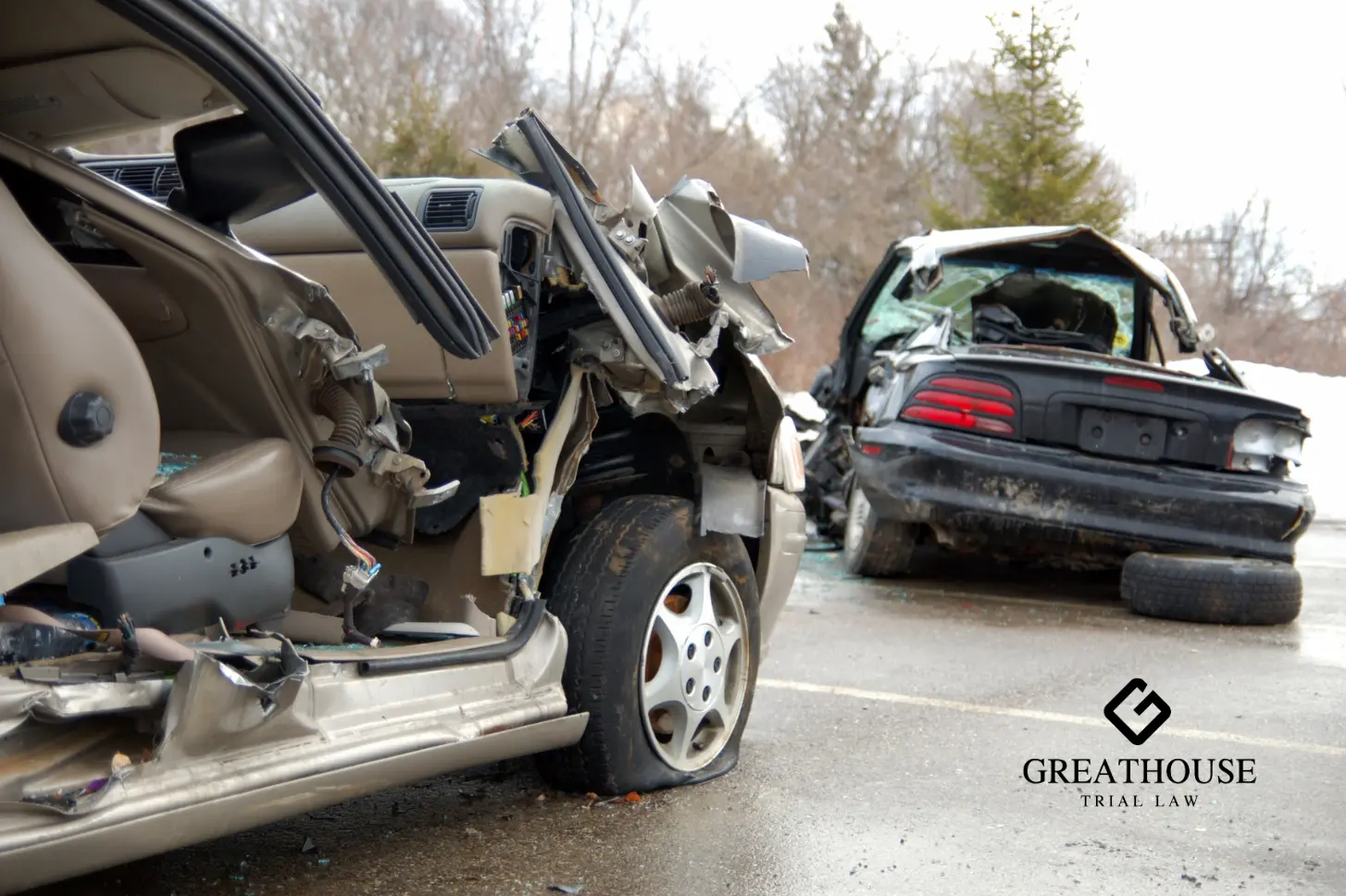
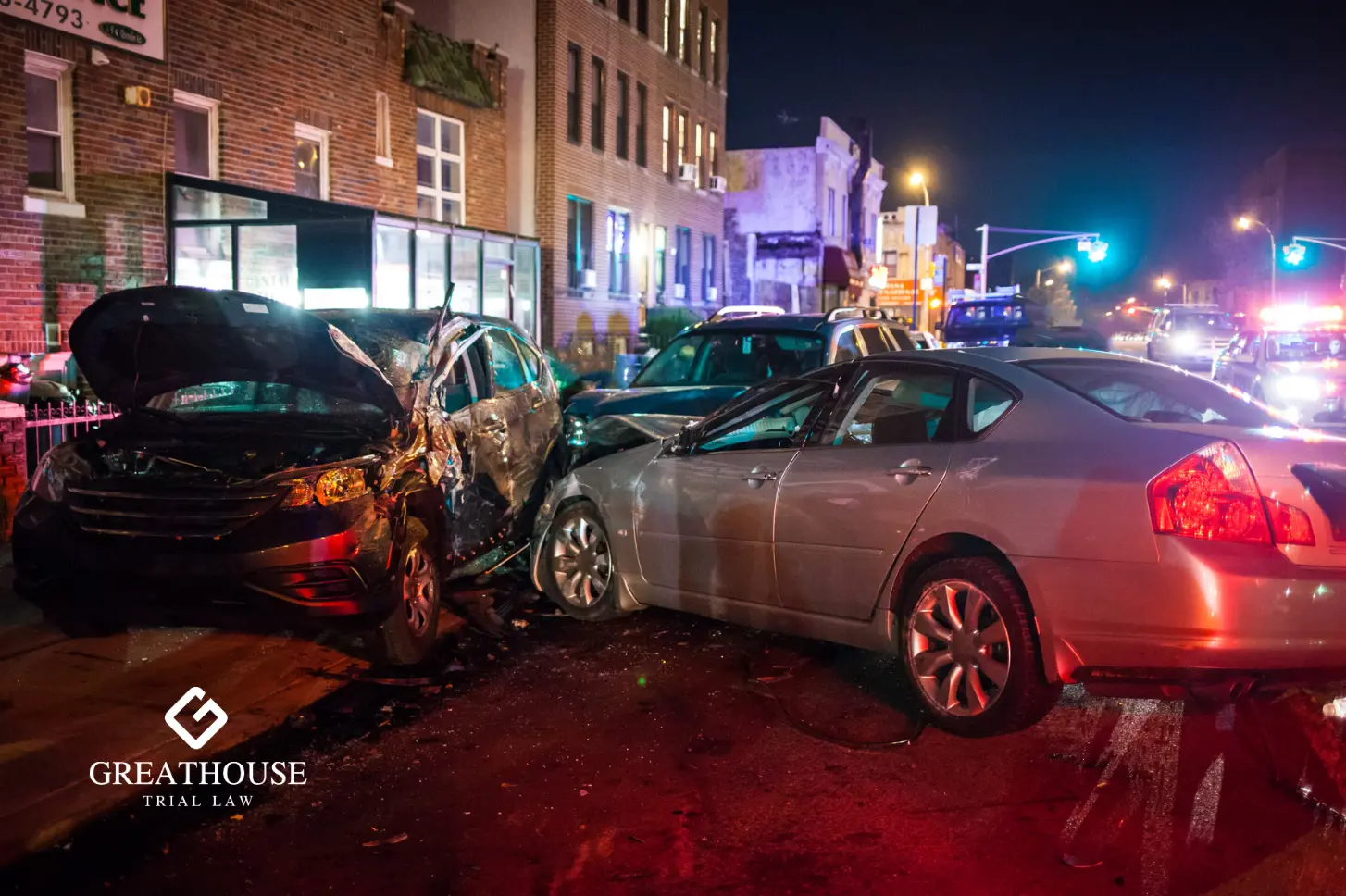
A T-bone accident, sometimes called a side-impact crash, occurs when the front of one vehicle collides with the side of another. The crash forms a “T” shape, giving this type of collision its name. These accidents often happen at intersections when an at-fault driver runs a red light, fails to yield, or is distracted behind the wheel.
Compared to rear-end or head-on collisions, side impacts leave less protection between the vehicle and its occupants. As a result, car accident victims often suffer more serious injuries, such as:
Head injuries and traumatic brain injuries
Broken bones
Spinal cord damage, including partial or complete paralysis
Internal organ damage
Fatal injuries leading to wrongful death
Why You Should Get Medical Attention Right Away
Even if you feel fine after a car wreck, it is important to seek medical attention right away. Some injuries, such as traumatic brain injuries or internal bleeding, may not appear immediately. Prompt medical care creates documentation linking your injuries to the accident, which is critical when building your personal injury claim.
Your medical records become evidence in your case, supporting your right to seek compensation for medical expenses, lost wages, and long-term medical treatments.
Common Causes of T-Bone Accidents in Atlanta
Most T-bone crashes stem from a driver failing to follow traffic rules. Some of the most common causes include:
Distracted driving, such as texting or adjusting a GPS
Drunk or impaired driving
Speeding through intersections
Running stop signs or red lights
Failing to yield when turning left across traffic
In Atlanta, where busy intersections are part of daily life, these behaviors put drivers and passengers at high risk for severe car accident injuries.
How Does Fault Work in a T-Bone Accident?
Determining fault is one of the most challenging parts of a car accident case. Georgia follows a modified comparative negligence system under O.C.G.A. § 51-12-33, meaning you can still seek compensation if you are less than 50 percent responsible for the crash. However, your compensation is reduced by your percentage of fault.
Police reports, witness statements, accident scene photos, and accident reconstruction specialists may all be used to determine liability. In many cases, the at-fault driver may be cited for violating Georgia traffic laws, such as failure to yield (O.C.G.A. § 40-6-71) or running a red light (O.C.G.A. § 40-6-20).
What Compensation Can You Seek After a T-Bone Crash?
The impact of a T-bone crash extends beyond the accident scene. You may face medical bills today and future medical expenses for years to come. A personal injury lawsuit or claim may allow you to pursue financial compensation for:
Medical expenses and ongoing medical treatments
Lost wages and reduced earning capacity
Pain and suffering
Property damage to your vehicle
Costs of rehabilitation or long-term care
For families who have lost a loved one, wrongful death claims may also be available under O.C.G.A. § 51-4-2.
How Insurance Companies Respond After a T-Bone Crash
After a T-bone car accident in Atlanta, the other driver’s insurance company will likely reach out quickly. It’s not unusual for an insurance adjuster to call within days of the crash, sometimes before you have even seen a doctor. Their goal is not to protect your interests but to protect the company’s bottom line.
Common strategies include:
Requesting broad access to your medical records in hopes of finding a prior condition to blame for your injuries.
Pushing you to give a recorded statement that can later be used against you in your car accident case.
Offering a fast but low settlement that may cover only immediate medical bills and overlook lost wages, future medical expenses, or pain and suffering.
Delaying or disputing parts of your claim to pressure you into accepting less than fair compensation.
It’s also important to remember that once you sign a settlement release, your case is closed. You cannot reopen the claim even if new symptoms appear days later, such as head injuries, back injuries, or other complications.
Because these tactics can have long-term consequences, many car accident victims choose to work with an Atlanta auto accident attorney who deals with insurance adjusters daily. A legal team can gather medical records, review police reports, and negotiate directly with the other driver’s insurance company so you can focus on recovery instead of paperwork and phone calls.
What Factors Affect Settlement Amounts?
No two personal injury claims are alike, and there is no guaranteed average car accident settlement. Factors such as the severity of injuries, the number of vehicles involved, and the available insurance coverage all play a role.
That said, a lawyer for a car accident often sees higher settlement amounts in cases involving:
Serious injuries requiring long-term medical treatments
Partial or complete paralysis
Traumatic brain injuries
Wrongful death claims
Your settlement may cover more than immediate medical bills. It may also account for future medical expenses, reduced earning capacity, and the emotional toll of pain and suffering.
Protect Your Rights After a T-Bone Accident in Atlanta
If you were injured in a T-bone accident caused by someone else’s negligence, you should not face medical bills, lost wages, and pain and suffering without strong legal representation. At Greathouse Trial Law, our legal team represents car accident victims across Atlanta and throughout Georgia.
When you search online for “injury attorneys near me,” you want a law firm that puts your needs first. Greathouse Trial Law has built its reputation on fighting for Atlanta car accident victims and their families. Our law firm thoroughly investigates car accidents, working with accident reconstruction specialists, reviewing police reports, and analyzing medical records. We pursue fair compensation for accident victims in personal injury claims, whether your case involves distracted driving, a drunk driver, or another driver’s reckless behavior.
You can schedule a free consultation with an Atlanta car accident attorney today. Call (678) 310-2827 or complete our confidential online form. At your consultation, we will review your options, explain how Georgia law applies, and discuss the steps available to pursue fair compensation for your injuries.
Discover Why It’s Greater with Greathouse at Greathouse Trial Law, LLC!




Related reading
How to File a Farm Bureau Accident Claim After a Car Crash in Atlanta, Georgia
A car accident in Atlanta can leave you dealing with vehicle damage, mounting medical bills, and an insurance process you were not prepared for. If Farm Bureau is involved, whether as your own insurer or the at-fault driver’s, knowing how to file your Farm Bureau accident claim correctly from the start can make a real […]
Read article →
The 7 Common Types of Auto Accidents in Atlanta, Georgia
You don’t search for the types of auto accidents because you’re curious. You search because something just happened, and you’re trying to figure out where you stand. Maybe you were rear-ended in traffic on I-285. Another driver ran a red light and now both insurance companies are asking questions. Or you walked away thinking you […]
Read article →
When to Get a Lawyer for a Car Accident in Atlanta, Georgia
If you just had a car accident in Atlanta, here’s the honest truth: Most people wait too long to call a lawyer. Knowing when to get a lawyer for a car accident can protect your claim from the start. You might assume your insurance company will handle the medical bills and vehicle damage, or you […]
Read article →